Bybit2026-10-19 05:57:23Ben Zhou says Bybit covered hack losses and will focus on regional expansionBybit CEO Ben Zhou said in a recent interview with Wu Blockchain that the exchange had already covered losses from an earlier attack attributed to North Korean hackers by the end of last year through operating income such as trading fees. He said more exchange hacks are likely in the future and argued that security systems should be built on the assumption that a breach will eventually happen. On competition, Zhou said the prime era for global expansion by crypto exchanges has passed and that the sector is likely to see more consolidation. In his view, regional platforms with licenses and strong local operating capabilities still have room to grow. He also said Bybit’s profit has declined year over year in 2026, while its stock and other traditional asset trading business is not yet large enough to offset the impact from its crypto business. For the U.S. market, Zhou said Bybit is still waiting for the right entry point and would prefer to work with local institutions that already have a retail user base. He added that the company’s core strategy over the next year will center on regional development and deeper localization, while also touching on the difference between the Bitget security incident and the Bybit theft case, as well as data security risks tied to large-scale internal use of AI.20
Gate2026-10-12 09:59:01Gate and GoPlus say AI is reshaping crypto security, and one-off audits are no longer enoughGate and GoPlus Security used the third installment of Gate’s “Security Class” series to make a blunt case: in crypto, an audit is a starting point, not a lasting guarantee. The discussion focused on why audited projects still get hacked, how AI is changing the balance between attackers and defenders, what a useful audit report should actually contain, and how ordinary users can reduce risk before signing a transaction. GoPlus partner Adam argued that traditional contract audits fail in four structural ways. They are point-in-time checks, they cannot anticipate future exploit patterns, they do not fully cover changing external dependencies such as oracles and cross-chain bridges, and they leave old “audited” contracts exposed to fresh AI-driven review. Gate’s security team added that audits can show what code is allowed to do, but not what a project team may choose to do with legitimate owner powers such as blacklisting, minting, or changing trading rules. Both sides said AI has widened the speed gap in security work, but they also argued that the same tools can help defenders catch up if they are used continuously. The article outlines a shift from one-time reviews to full lifecycle security, including pre-launch checks, AI-assisted contract audits, post-launch monitoring, and recurring scans. It also details user-facing tools from Gate, including AI contract analysis, anti-phishing checks, account hardening features, and products designed to reduce signing and wallet-connection risk.640
AI security2026-10-11 00:43:40AI Is Speeding Up Cyberattacks, Leaving Crypto Firms With Less Time to RespondGoogle said on Sept. 9, 2026 that suspected financially motivated attackers used AI coding tools and agent-style instructions to plan, build and execute a large-scale credential theft operation in under six hours after gaining access to an organization’s cloud infrastructure. The activity involved thousands of third-party credentials, though Google said the timeline did not include the earlier step of obtaining cloud access. The case adds to a broader set of warnings from the FBI, Anthropic and the UK’s National Cyber Security Centre, all pointing to the same shift: AI is lowering the cost of social engineering, speeding up the conversion of known vulnerabilities into working exploits, and compressing the time defenders have to detect and respond. For crypto companies, the risk extends well beyond private keys. Developer accounts, vendors, wallet backends and transaction approval flows can all become paths to fund-moving authority. The article also notes that AI can improve defense. Mozilla said its work with Anthropic uncovered 22 CVE-numbered security issues, including 14 rated high severity. But security teams still face budget limits, patch scheduling, change approvals and business continuity concerns. In practice, the value of AI in defense depends not only on detection, but on whether organizations can verify issues, push fixes and contain damage before assets move on-chain.620
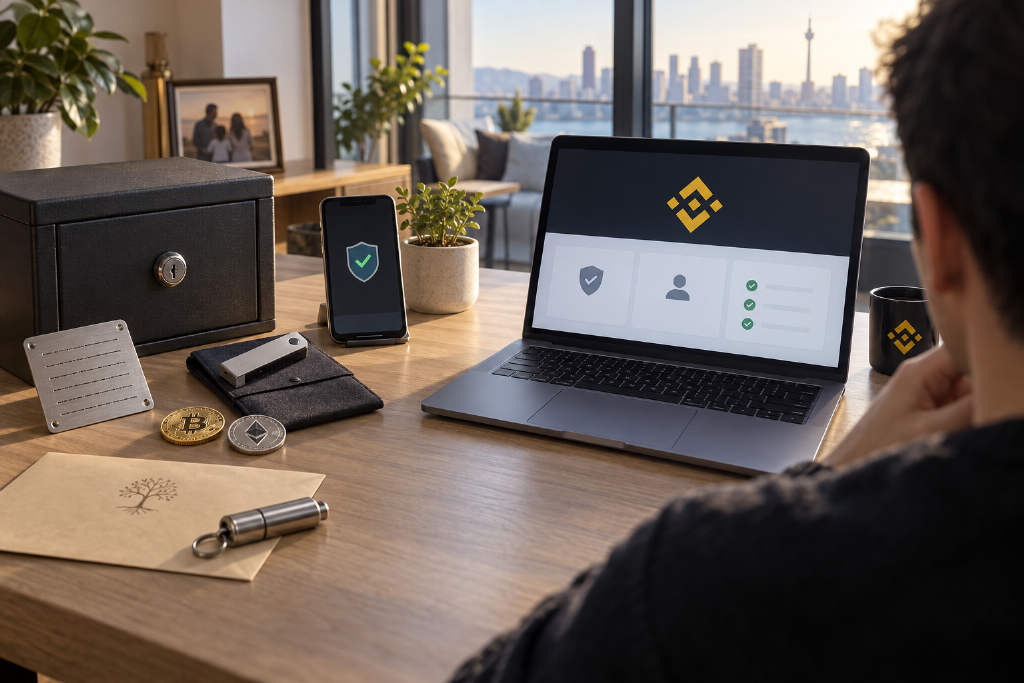
CZ2026-10-11 00:22:47CZ issues crypto custody guide, urging users to match storage choices with holdings and technical skillsBinance founder Changpeng Zhao, better known as CZ, has released a condensed guide on crypto asset custody, laying out a practical framework for how users should think about securing their funds. His core message is that custody choices should be based on the size of a user’s holdings and their own technical ability, rather than a one-size-fits-all approach. The guide focuses on three issues: preventing theft, avoiding accidental loss, and planning for inheritance in advance. For self-custody, CZ recommends storing private keys on offline devices, using reputable hardware wallets, checking transaction addresses carefully, and maintaining multiple backups in different locations. He also warns against saving keys through photos or screenshots, saying that such files may sync to the cloud and create an unnecessary risk of exposure. For assets held on centralized exchanges, CZ says users should examine a platform’s reputation, security capabilities, and business model. He also advises stronger account protection through a separate email address, strong passwords, two-factor authentication, hardware security keys, and withdrawal address whitelists, while staying alert to phishing attempts and API credential leaks. CZ adds that users may want to split assets between centralized platforms and personal wallets based on security management ability and liquidity needs.350
Changpeng Zha2026-10-11 00:26:40CZ issues a concise crypto custody guide focused on theft prevention, loss recovery and inheritance planningBinance founder Changpeng Zhao, widely known as CZ, has published a streamlined guide on safeguarding crypto assets, urging users to match their security setup to both the size of their holdings and their own technical ability. The guide centers on three issues: preventing theft, avoiding accidental loss, and planning in advance for asset inheritance. For self-custody, Zhao recommends storing private keys on offline devices, using trusted hardware wallets, verifying transaction addresses, and keeping multiple backups in different locations. He also warns against saving keys in photos or screenshots, saying those files may sync to the cloud and expose sensitive information. On inheritance, Zhao says users should prepare a secure recovery plan ahead of time rather than directly sharing keys or storing recovery details in unencrypted form. For assets held on centralized trading platforms, he advises users to assess a platform’s reputation, security capabilities, and business model, while strengthening account protection with a separate email address, strong passwords, two-factor authentication, hardware security keys, and withdrawal address whitelists. He also flags phishing attacks and API credential leaks as risks. Zhao adds that users should allocate assets between exchanges and personal wallets based on technical skill, security management capacity, and liquidity needs.330
Binance2026-10-10 19:02:59CZ says Binance SAFU has evolved into a 15,000 BTC reserveBinance founder Changpeng Zhao, better known as CZ, used X to revisit the origins and development of SAFU, the exchange’s Secure Asset Fund for Users. He said the term "SAFU" started as a simple internet meme before turning into an emergency reserve designed to protect users. According to the post cited by CZ, the fund was launched in 2018 and was used to compensate users after Binance suffered a 7,000 BTC hack in 2019. CZ also said that, as of 2026, the SAFU fund has been converted into holdings of 15,000 BTC. He added that Binance has committed to topping the reserve back up to $1 billion if its value falls below $800 million. In the same post, CZ said trust is built over years through consistency, accountability, and putting users first.290
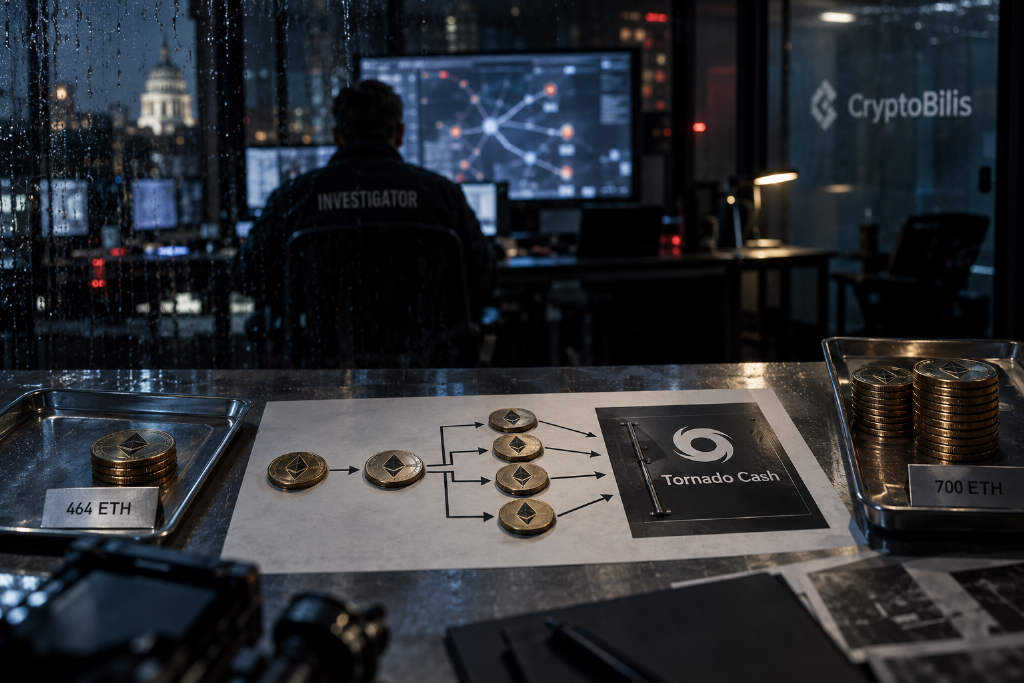
CryptoBilis2026-10-10 11:15:17Wallet tied to suspected CryptoBilis attack moves 464 ETH to Tornado CashBlockchain records show that a wallet linked to the CryptoBilis exchange security incident transferred 464 ETH, worth about $1.43 million, into Tornado Cash through one intermediary address and four deposit wallets. According to The Defiant, the routing pattern suggests an effort to launder stolen funds. On-chain data also indicates that the source wallet still holds about 700 ETH. The transfer adds a new traceable step in the movement of assets tied to the incident, with the use of Tornado Cash drawing attention because of its role as a privacy-focused transaction platform.330
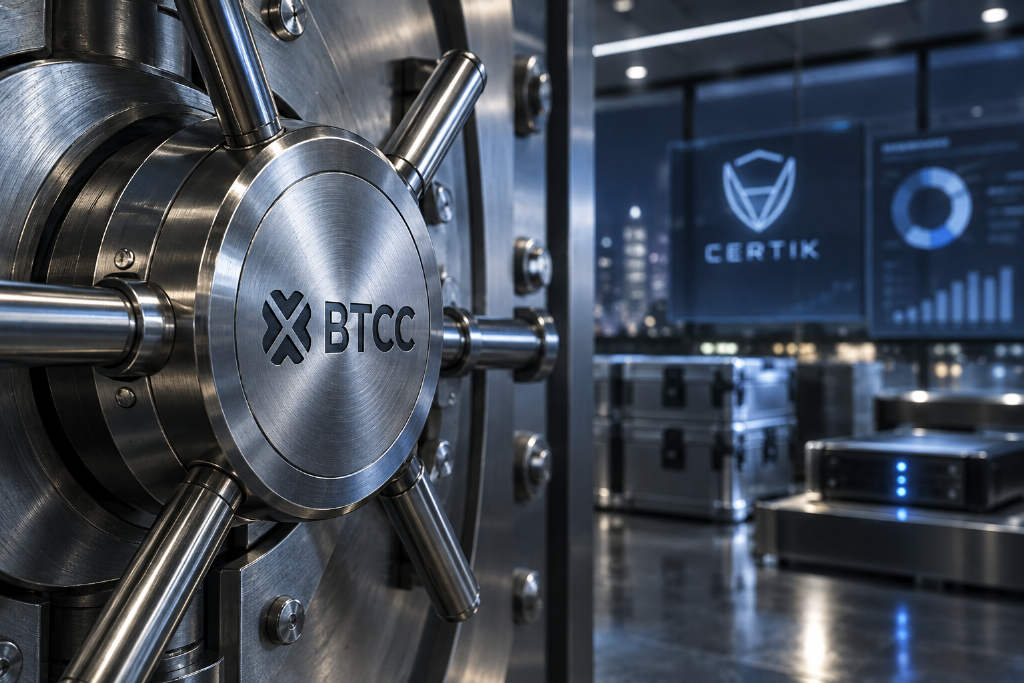
BTCC2026-10-07 02:23:19BTCC rolls out revamped Trust Center with focus on security and transparencyCrypto exchange BTCC has launched a new version of its Trust Center, bringing together the company’s stated security framework, financial safeguards, and transparency commitments in one place. Alex Hung, the exchange’s chief operating officer, said security is the foundation of growth and must be built first. The updated center lists a series of measures, including multi-signature cold storage, 1:1 asset reserves, independent audits by CertiK, monthly proof-of-reserves reports, and a $25.5 million risk reserve fund. BTCC also said it has not recorded any losses from hacking-related theft since its founding in 2011. Beyond crypto trading, the exchange currently offers access to U.S. stocks, gold, and foreign exchange products. Hung said the company’s goal is not to become the biggest exchange, but to serve as a platform that raises standards across the industry. The item was published by Techub News and attributed to BeInCrypto.300